
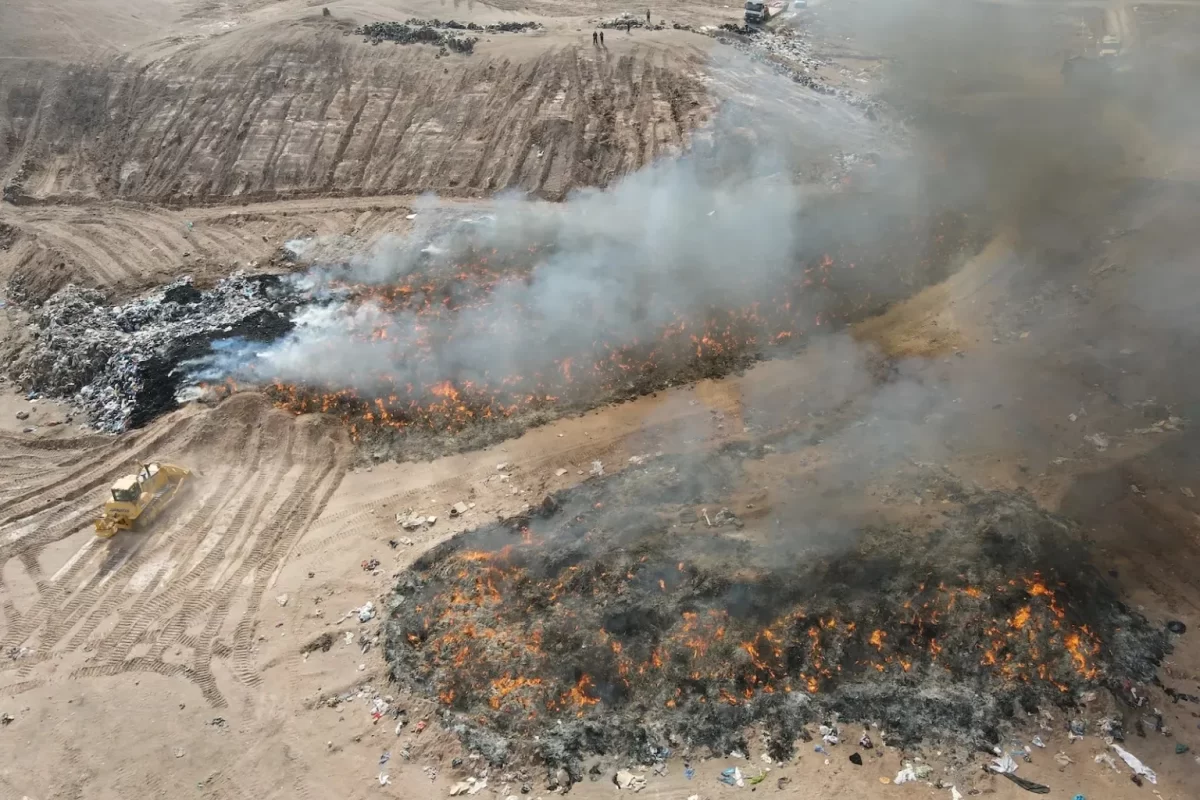
What the data actually shows about the industry’s environmental Fast Fashion footprint.
Fast Fashion Footprint built an entire industry on one promise: : it came trends, delivered fast and cheap. Zara helped pioneer the model in the 1990s, cutting the gap between design and store shelf down to as little as 15 days. That speed reshaped how the world shops — and with an environmental bill most shoppers never see.
when low prices come at a high cost
Low prices are the entire pitch of fast fashion. But keeping prices low means cutting corners somewhere — usually in material quality, factory wages, and environmental safeguards. The clothes are designed to be worn a handful of times and replaced, not repaired and kept.
The Data Behind Fast Fashion Footprint

Carbon emissions. Fast fashion is responsible for an estimated 8–10% of global greenhouse gas emissions — more than all international flights and maritime shipping combined. Textile manufacturing emissions are projected to rise by 50–60% by 2030 if nothing changes, and by some estimates the industry could account for 26% of global carbon emissions by 2050.
Water consumption. The industry is the second-biggest consumer of water in the world, using an estimated 141 billion cubic meters annually. Textile dyeing alone is the world’s second-largest polluter of water.
Microplastics. Every laundry cycle releases synthetic microfibers into wastewater systems that eventually reach the ocean. Fast fashion is estimated to contribute around 35% of all ocean microplastic pollution.
Waste. Garments today are worn only 7–10 times on average before being discarded — a roughly 36% drop in average wear-count over the past 15 years. If the current trend holds, annual fast fashion waste could reach 134 million tonnes by the end of the decade.
Where the Pollution Actually Happens
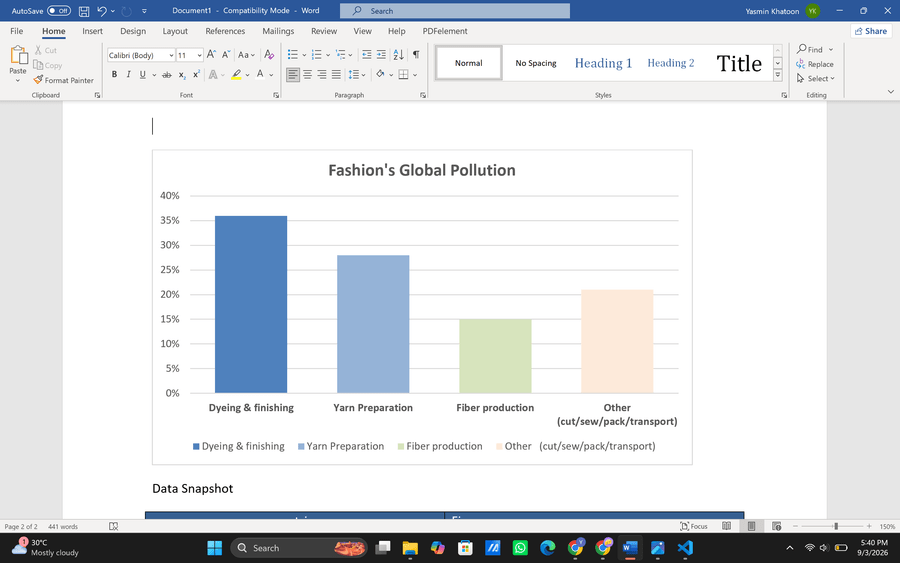
It’s a common assumption that the sewing and manufacturing stage is the dirtiest part of the process. The data says otherwise — most of fashion’s pollution footprint happens earlier in the supply chain:
Data Snapshot
| metric | Figure |
| Share of global GHG emission | 8-10% |
| Projected emission growth by 2030 | +50-60% |
| Annual water use | ~141billion m3 |
| Projected annual waste by 2030 | 134million tonnes |
| Avg. time a garment is worm before disposal | 7-10 |
| Pollution from dyeing & finishing | 36% |
| Pollution from yarn preparation | 28% |
| Pollution from fiber production | 15% |
| Share of ocean microplastics | ~35% |
The Takeaway
Fast fashion’s biggest environmental damage isn’t in the store or the closet — it’s upstream, in dyeing, yarn prep, and fiber production. That means the most effective consumer-level actions are the ones that reduce demand for new virgin-fiber garments altogether: buying less, buying secondhand, and choosing brands that are transparent about their dyeing and finishing processes.
VISIT IG – more info


Leave a Reply